The Finery

Your Health At Its Finest.

Find out where your brain and body are not functioning as well as they could, and why.

You may have an unresolved health issue that has persisted despite every physician you have consulted and every test you have undergone, and you want it resolved. Or you may feel well and want to know just how much better you could function. In both cases, Dr. Eric Rawlin, creator of Neural Pathway Integration, evaluates how your brain and body are functioning to identify what may be limiting you in living at an optimal level. From there, your care is tailored to help restore lost function or help you perform at a higher level, with focused care concentrated over a few consecutive days at The Finery in Layton, Utah.

You can still perform well while your body is compensating.

The body is remarkably good at adapting. When an injury or dysfunction changes the way one area works, the brain and body can compensate so effectively that you continue to move, work, exercise, and perform without realizing anything has changed. Over time, though, those compensations can become your new normal. The problem is that successful compensation can hide an underlying loss of function.

You may still be able to squat, walk, or play golf, for example, but only by shifting stress or effort away from an area that is not functioning well. Because the movement is still completed—and may not hurt—the compensation can go unnoticed for years. Once that workaround is exposed, the limitation becomes visible. What looked like normal function was actually your body finding another way to get the job done.

This is why Dr. Rawlin looks for compensation even when your movement appears normal.

  1. +

    Assessment

    Every engagement begins by Dr. Rawlin assessing both your cognitive and physical function. Cognitive Acuity refers to memory, focus, clarity, processing, and executive function. Through the Brain-Body Functional Assessment, he evaluates movement, balance, coordination, and gait for signs of compensation and altered neurological function. This physical assessment is included regardless of the reason for your visit because compensation often becomes visible in the way the body moves.

  2. +

    Findings

    Dr. Rawlin uses the assessment to identify where you are not functioning as well as you could, including patterns of compensation you may not realize are present. He looks beyond whether you can complete a movement to how you are doing it and whether your body is compensating. The assessment is recorded on video so you can see the same movement patterns he is observing.

  3. +

    Treatment

    Based on those findings, Dr. Rawlin uses Neural Pathway Integration — NPI — the method he developed, to treat the neural connections involved in the patterns identified during the assessment. Because any treatment is based on each client’s findings, care is always personalized rather than designed around a set protocol.

  4. +

    Reactivation

    When function has dropped out of the body’s normal pattern, other areas compensate to keep you moving. NPI works to bring that function back into use, reducing the need for compensation and — often times — further treatment.

Dr. Eric Rawlin

Dr. Eric Rawlin, DC, is the creator of Neural Pathway Integration and the doctor who treats you at The Finery.

When receiving care at The Finery, you get to be treated by the provider who developed this unique methodology and who continues to forward his research into its capabilities.

Dr. Eric Rawlin

Dr. Eric Rawlin created Neural Pathway Integration (NPI) through years of clinical work at the Neural Pathway Institute in Layton, Utah. Today, practitioners are now being trained and certified in NPI, and he continues to refine the method as new patterns and clinical challenges emerge.

The Finery allows a small number of clients to work with him directly, while the cases he sees continue to inform the evolution of his methodology. The Finery is visited by many clients who travel to Utah specifically for the opportunity to be treated by him.

Dr. Eric Rawlin, DC, BS, has practiced chiropractic in Northern Utah since 2003. Educated at Utah State University and Parker College of Chiropractic, he has spoken at national events and on health and chiropractic podcasts, served as chiropractor for the Salt Lake Screaming Eagles indoor football team, and worked with collegiate and professional athletes. He also teaches Neural Pathway Integration to doctors through professional seminars and hands-on clinical training.

Power of Prevention · Episode 28

Hear Dr. Rawlin

Dr. Eric Rawlin joined Power of Prevention for episode 28, Eric Rawlin's Life Changing Practice. Listen below on Spotify, iHeartRadio, or Apple Podcasts.

Spotify
iHeartRadio
Apple Podcasts

Two Kinds of Clients.One Question.

You will likely see yourself in one of the two descriptions below. While the circumstances differ, the question guiding your care is the same in both cases: where are you not functioning as well as you could?

Optimize

You are doing well, and you want to know how much better you could do.

Nothing is obviously wrong. You may run a company, sit on a board, or compete at a serious level, and you are accustomed to demanding a great deal of yourself. What brings you here is not a complaint but a suspicion: that you are not drawing on everything you have, or, as clients often describe it, that you are leaving something on the table.

Restore

You are living with a chronic health condition or persistent symptoms that continue to limit how well you function.

You may be living with neuropathy, persistent balance problems, cognitive degeneration, digestive issues, or the lingering effects of an old injury. You have seen multiple doctors, undergone a series of treatments, and still do not have the improvement you were hoping for. What you want now is not another medication—you want to function better and regain your quality of life.

Care concentrated into a few days.

If you are like most of The Finery’s clients, your time is heavily committed. You run a business and travel constantly, which means that a thirty- or sixty-day program, however well designed, is out of the question. Speed and efficiency is therefore the first requirement, and the practice is organized to meet it. You typically spend two to four consecutive days with Dr. Rawlin in Layton. Whether you come with one concern or several, your care is focused on the specific problems and patterns identified through your history and assessment. Rather than separating those concerns into different courses of care, Dr. Rawlin addresses them together through an individualized, concentrated approach.

  1. +

    I’ve already seen specialists.

    That history gives Dr. Rawlin an important starting point. He reviews what has already been tested and treated, looks at how those findings relate to one another, and combines them with his own assessment to identify what may still be limiting your function. The goal is not to repeat what has already been done, but to understand what may have been missed or never fully addressed.

  2. +

    I have already worked with trainers and functional practitioners.

    A trainer builds strength and a physical therapist rehabilitates a joint, and neither is a substitute for what The Finery does, any more than The Finery is a substitute for them. The distinction lies in the question being asked. If the same tightness or the same weakness returns however often it is treated, the explanation is not that the treatment has been insufficient. Something in the nervous system is instructing specific muscles to remain inactive, and until that instruction is reset, the pattern persists. That instruction is what Dr. Rawlin works with.

  3. +

    I feel fine. I do not have a problem.

    You may be right. The difficulty is that you are measuring yourself against a level you are accustomed to rather than against the optimum level you could reach, and the two are not necessarily the same. Clients have seen Dr. Rawlin with no complaint at all and have discovered, in their assessment, a limitation they never knew they struggled with. You do not know how well you could function until it has been measured.

  4. +

    How can I be certain this is for me?

    Before you decide whether to travel to The Finery, Dr. Rawlin shows you what Neural Pathway Integration looks like in practice. Video examples allow you to see an actual treatment session, understand how the method is applied, and know what to expect before you arrive. The treatment itself uses precise finger pressure at specific points on the body and is noninvasive, giving you a clear picture of the process before you make a decision.

Two sides of function.One treatment.

Cognitive and physical function are part of the same neurological picture, and together they help reveal what may be limiting how well you function.

Cognitive Acuity

A glowing, multicolored rendering of a human brain

Cognitive Acuity is The Finery’s term for the cognitive side of function: the sharpness and clarity of your thinking, and how well it holds under demand.

Brain-Body Functional Assessment

A runner formed from splashing water

The Brain-Body Functional Assessment is the examination of the physical side: what your movement, balance, gait, and coordination reveal about how your brain and body are working together.

↓

Neural Pathway Integration

A blue figure standing inside a circle of light

Neural Pathway Integration is the treatment that follows. Once the neural connections involved have been identified, Dr. Rawlin works with them directly.

Cognitive Acuity

“I'm not as sharp as I used to be.”

This is one of the most common concerns executives bring to The Finery. They remain highly capable, but notice changes from their previous level of performance: names take longer to come to mind, their focus is harder to sustain, and decisions require a lot more effort. Many describe it as brain fog. At The Finery, Cognitive Acuity refers to cognitive health—how clearly and efficiently you can think, remember, focus, process information, and make decisions.

For high-performing clients, even subtle changes in these areas can noticeably affect day-to-day performance.

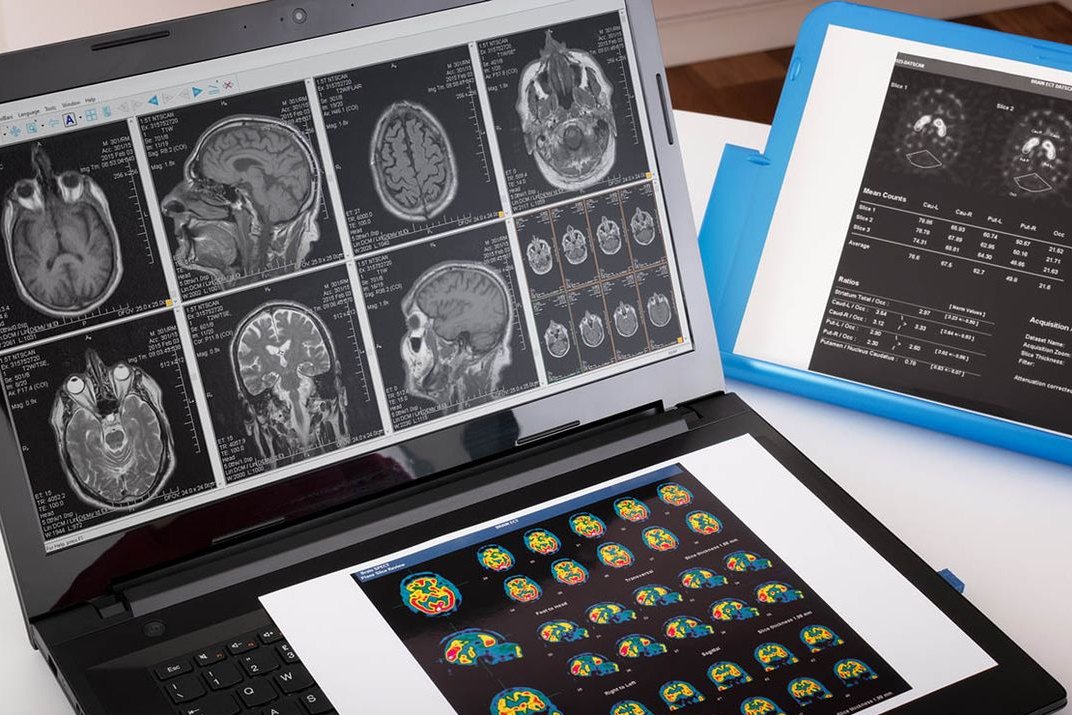
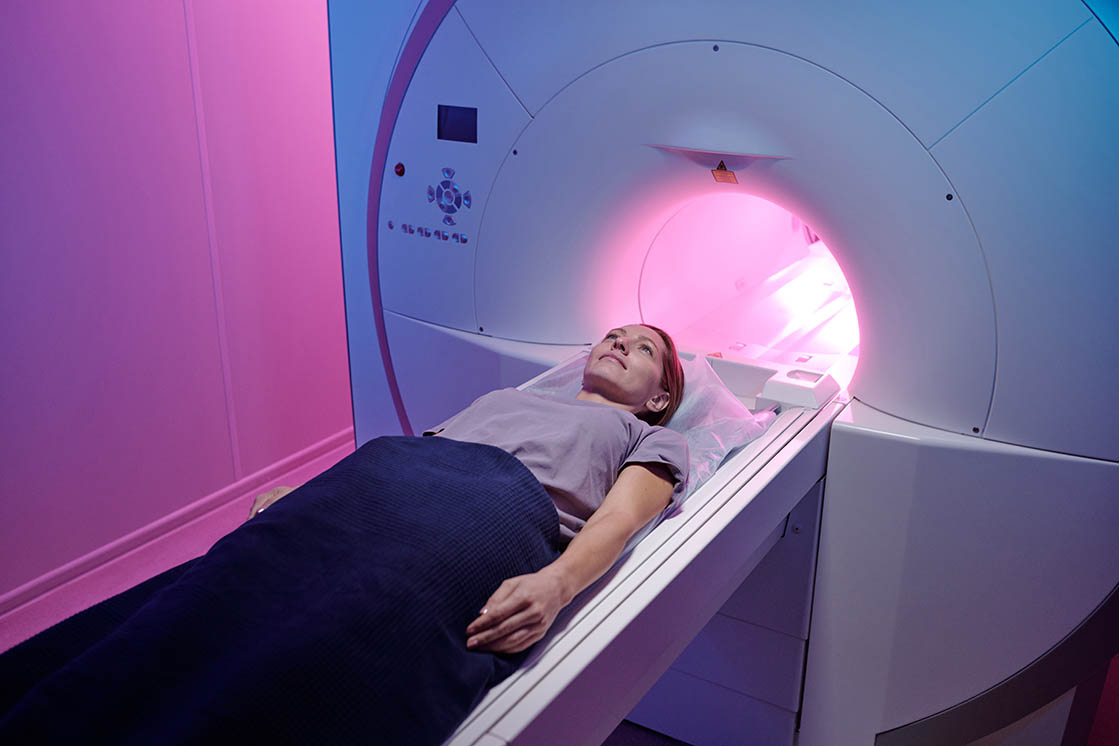
Brain scans displayed on a laptop and a tabletA person lying on the bed of an MRI scanner

What Cognitive Acuity covers

  • Mental sharpness and clarity of thought
  • Sustained focus and attention
  • Reliable memory
  • The speed and ease with which information is processed
  • Executive function: planning and decision-making
  • The capacity to think effectively when the demands on you are greatest

How clients describe noticeable changes

  • Thinking feels clearer and sharper.
  • Names and information come to mind more readily.
  • Focus is easier to maintain.
  • Decisions come more quickly and with less effort.
  • They notice a meaningful improvement in day-to-day cognitive performance.

Brain-Body Functional Assessment

Neurological function is expressed through the body, and it is there that it can be observed.

Whatever brings you to The Finery, Dr. Rawlin includes a physical assessment because the way you move can reveal patterns of compensation that may otherwise go unnoticed. He watches how you walk, squat, lunge, and balance, looking for weight shifts, asymmetries, and other signs that your body may be working around lost or limited function. He also compares how you perform certain movements under different visual conditions to uncover changes in balance and coordination that may not be obvious at first.

Each test is recorded to establish a clear baseline, then repeated after treatment so you can see what has changed.

A clinician reviewing a holographic body scan on a tabletFour people stretching side to side

What the assessment involves, and what it looks for

  • Movement patterns: How you walk, squat, lunge, and perform other movements—and whether your body shifts, favors one side, or compensates to complete them.
  • Balance and coordination: How well you maintain stability and control, including whether different parts of the body are working together normally.
  • Function under changing conditions: How your balance and movement change when visual input is altered, which can reveal neurological limitations that are not obvious under easier conditions.
  • Compensation: Patterns your body may have developed around an injury, weakness, or loss of function, even when you can still complete the movement.
  • Measurable change: The assessment is recorded on video and repeated after treatment so you can directly compare how your movement and physical function have changed.

What it can reveal

  • Hidden compensation: Ways your body has adapted around lost or limited function, sometimes so gradually that you no longer notice them.
  • Uneven function: Differences between the two sides of the body that may affect strength, coordination, stability, or movement.
  • Poor muscle coordination: Areas where muscles that should work together are no longer contributing effectively, causing other parts of the body to take over.
  • Neurological involvement: Signs that a persistent physical problem may be related to how the nervous system is controlling movement rather than only to the area where symptoms are felt.

Neural Pathway Integration

The treatment method Dr. Rawlin developed.

Once the neural connections involved have been identified, they are treated directly.

Neural Pathway Integration (NPI) is a gentle, non-invasive neurological treatment developed by Dr. Eric Rawlin to address disruptions in the neural communication between the brain and body that can affect movement, sensation, recovery, and overall function. Using precise hands-on contact at specific points on the body, Dr. Rawlin works with the neural pathways associated with the functional patterns identified during your assessment, rather than applying the same treatment sequence to every client. NPI is designed to restore more effective communication along those pathways so that function that has become limited or underused can be brought back into normal use. As that function returns, the body may no longer need to rely on the compensatory patterns it developed to work around the original limitation.

What the treatment involves

  • Finger pressure applied by hand. There are no injections and no medications, and nothing is sent home with you.
  • Nothing invasive and nothing painful. A short video of an actual session is sent to you before you arrive, so that you can see this for yourself.
  • Treatment determined by your assessment. What is treated is decided by what was found, not by a sequence applied to every client.
  • An engagement, not a schedule. The work is designed to address what is found during your time with Dr. Rawlin, not to bring you back at intervals.
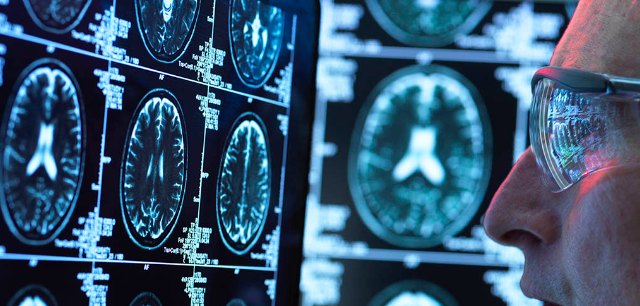
Brain scans on monitors beside a clinician

Two options. Different neural pathways.

Assessment → Findings → Individualized Care → Reassessment

Your nervous system relies on neural pathways to carry information between your brain and body. These pathways help control movement, sensation, coordination, and other aspects of physical function. When communication along a pathway is disrupted, the body may adapt by compensating around the function that is no longer working as it should. Understanding those patterns is central to Neural Pathway Integration and to how Dr. Rawlin identifies where function may need to be restored.

Restore

Restore is for clients whose health condition, persistent symptoms, or previous injury continues to affect how they feel or function despite prior care. This may include neuropathy, balance problems, cognitive changes, or other unresolved limitations. The goal is to regain lost function and help you feel more like yourself again.

Optimize

Optimize applies when you are already functioning well but believe there is room to perform at a higher level. The focus is typically on areas such as mental clarity, focus, coordination, recovery, and overall performance. The goal is to identify what may be limiting your current level of function and where further improvement may be possible.

Neural pathways

When communication along a pathway is disrupted, the body may compensate around the function that is no longer working normally. Neural Pathway Integration is designed to identify and reactivate those pathways so the body can use that function again rather than continuing to work around it.

What The Finery is not

The Finery is designed to complement, not replace, the care you receive from your physician or specialists. Dr. Rawlin considers your previous findings as part of the larger picture, then focuses on the functional patterns that may remain after serious causes have been evaluated and previous care has not fully restored your capacity.

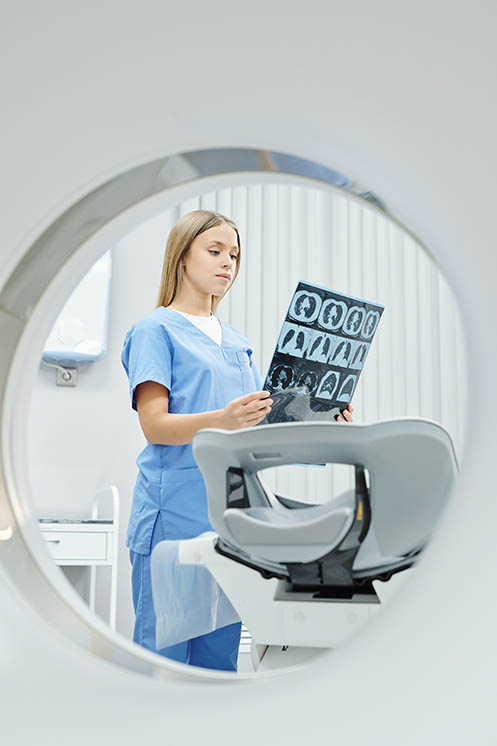
A clinician reviewing imaging beside a scanner

vs. Conventional Healthcare

Others

Conventional healthcare is designed to diagnose disease, rule out serious medical conditions, and treat or manage identified health problems. Testing, imaging, and specialist care can provide essential information about what is happening medically.

The Finery

The Finery builds on that information by looking at a different layer of the picture: how well you are functioning cognitively and physically, where function may have been lost or limited, and where your body may be compensating. Dr. Rawlin uses those findings to guide Neural Pathway Integration as a complement to—not a replacement for—your existing medical care.

Two people stretching on yoga mats

vs. Wellness and Functional Medicine

Others

Wellness and functional medicine often focus on improving health through nutrition, sleep, stress management, supplementation, lifestyle changes, and longer-term protocols designed to support the body over time.

The Finery

The Finery takes a different approach. Dr. Rawlin focuses on neurological function—how effectively the brain and body are communicating, where function may be limited, and where compensation has developed. Care is centered on assessment and Neural Pathway Integration rather than supplements, injections, or an ongoing regimen, and is typically concentrated over a few consecutive days in Layton, Utah.

A holographic health display beside a DNA model

vs. Biohacking and Longevity

Others

Biohacking and longevity programs often focus on enhancing performance, recovery, and long-term health through an ongoing combination of technologies, therapies, supplements, and other interventions.

The Finery

The Finery focuses first on identifying where neurological function may be limited and where the body is compensating. Dr. Rawlin uses assessment and Neural Pathway Integration to address those underlying functional patterns directly, with the goal of restoring function rather than relying on a growing stack of interventions that must be continually maintained.

A clinical reception area

vs. Concierge Medicine

Others

Concierge medicine typically provides greater access to a physician, longer appointments, more extensive testing, and closer coordination of your ongoing medical care.

The Finery

The Finery serves a different, complementary role. Dr. Rawlin focuses on cognitive and neurological function, including where function may be limited and where the body has developed patterns of compensation. Clients work directly with the creator of Neural Pathway Integration, with assessment and NPI treatment concentrated around those functional findings rather than ongoing medical management.

What our clients say

  • I was tired of hearing 'your labs look fine' while feeling anything but. Dr. Rawlin identified patterns no one had ever connected before. Six months later, the brain fog is gone and my sleep is restorative for the first time in years.

    Sarah M. · United States

  • I'd done every wellness program, every supplement protocol. What made The Finery different was the measurement. Dr. Rawlin didn't ask me how I felt — he showed me how my systems were actually coordinating. Progress that's measurable, not just hopeful.

    James L. · United Kingdom

  • After my second child, I lost myself between exhaustion and autopilot. My doctor said it was normal. Dr. Rawlin said it was observable. NPI didn't just give me my energy back — it helped me understand why it left in the first place.

    Adriana K. · Canada

  • I'm a competitive athlete and I thought I understood my body. The Finery showed me I was only seeing half the picture. The connection between cognitive performance and physical recovery was something I'd never considered. My training has never been more intentional.

    Daniel R. · Australia

  • I spent three years bouncing between specialists, each one looking at their piece. Dr. Rawlin was the first person who looked at the whole picture. He measured, he listened, and then he showed me what my own body was telling him.

    Margaux T. · France

  • I expected clinical and intimidating. Instead, Dr. Rawlin walked through my results like a conversation and never once made me feel like a number. The science is rigorous, but the care is deeply personal. That combination is rare.

    Priya S. · United Arab Emirates

How Care at The Finery Begins

  1. Step 01

    Book a discovery call

    The process begins with a brief questionnaire followed by a discovery call with The Finery team. The purpose is to understand what you are seeking help with and determine whether The Finery is the right fit. If your needs fall outside the scope of the practice—for example, if you are simply looking for a routine chiropractic adjustment—the team will tell you upfront and direct you if other care is deemed more fitting.

  2. Step 02

    Consult with Dr. Rawlin

    If The Finery appears to be a good fit, the next step is a video consultation with Dr. Rawlin. He reviews your health history in detail, including how long the problem has been present, what care you have already tried, and how you have responded. When relevant, he also reviews prior laboratory testing and imaging in advance. By the end of the consultation, he can usually explain what he believes may be contributing to the problem and how he would approach it through assessment and NPI treatment.

  1. Step 03

    Spend two to four days in Layton

    You then travel to Layton, Utah, for two to four consecutive days of focused care with Dr. Rawlin. He begins with a recorded assessment to establish a clear baseline, then uses those findings to guide your NPI treatment. Before you leave, the same tests are repeated on video so you can directly compare your function before and after treatment.

  2. Step 04

    Follow up from home

    He contacts you the week after you return, once you are back in your normal routine and able to judge what has changed, and again later on.